Sustainable Solutions: How E-Waste Recycling Services Are Saving Our Planet
Electronic waste presents serious dangers to the environment, as discarded electronics often contain toxic materials. These hazardous substances can contaminate soil and water, resulting in widespread environmental harm. E-waste recycling initiatives provide a practical answer. They not only recover valuable resources but also mitigate pollution. Comprehending the operation of these services and their influence on communities is of great importance. The path to successful electronic waste management prompts vital discussions about personal accountability and communal efforts. What measures can be pursued from this point onward?
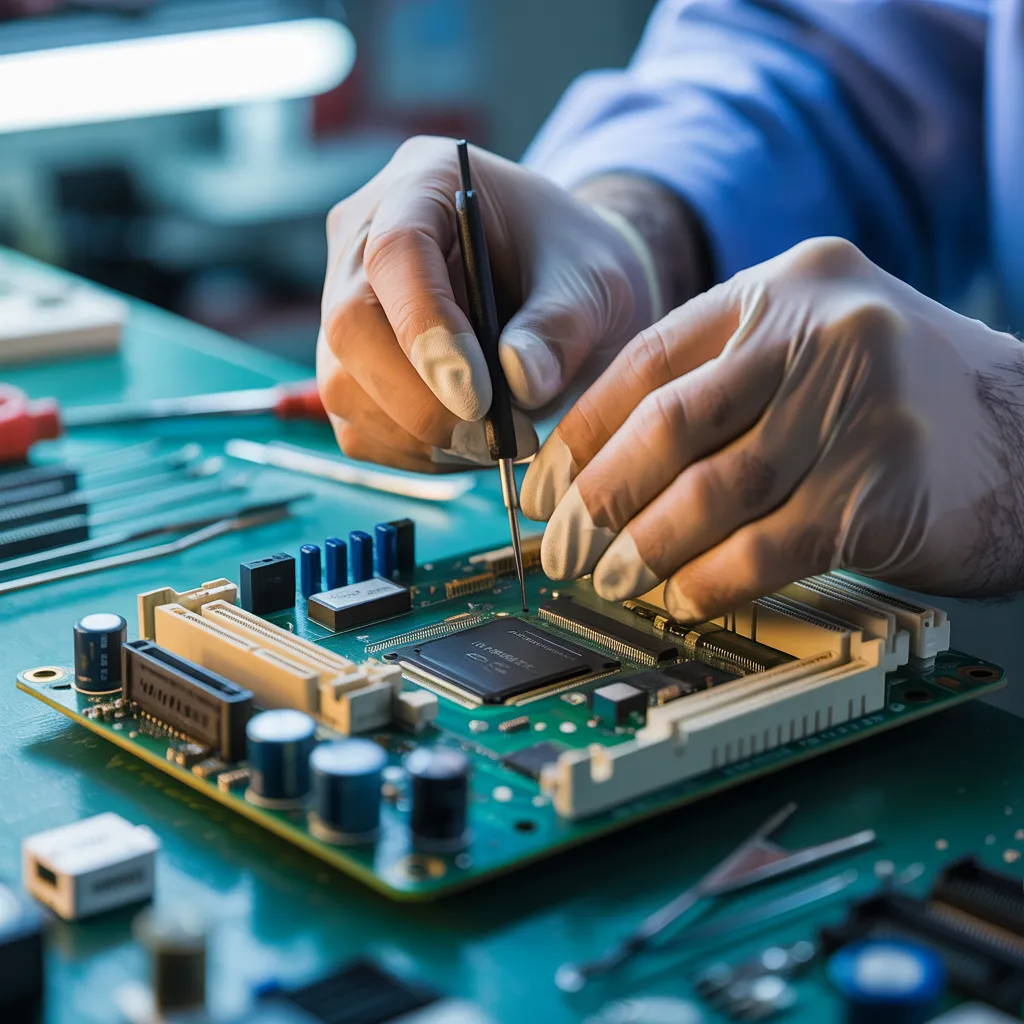
The Reasons E-Waste Is Damaging to the Planet
While technological advancements improve modern life, e-waste poses considerable environmental hazards. Discarded electronic devices, often containing toxic substances including mercury, lead, and cadmium, may release harmful substances into the surrounding soil and water supply, posing risks to human health and ecosystems. The swift progression of technology results in higher rates of electronics disposal among consumers, intensifying the growing problem of discarded electronic materials.
Landfills, already strained by waste, are unable to keep up with the rising quantities of abandoned electronics. Burning, an alternative disposal approach, discharges toxic contaminants into the air, worsening overall air quality. In addition, improper recycling practices can lead to the exportation of e-waste to developing countries, where laborers may dismantle devices without adequate safety measures, exposing themselves to dangerous substances. This cycle of neglect and improper handling underscores the urgent need for sustainable recycling solutions that can mitigate the adverse effects of e-waste on the planet.
What Is E-Waste and Why Does It Matter?
E-waste, or electronic waste, includes unwanted electronic equipment such as computers, smartphones, and televisions that have reached the end of their useful life. This growing category of waste is significant owing to its accelerating volume, driven by technological advancements and consumer trends. With an increasing number of devices reaching obsolescence, the ecological consequences become more pronounced, with dangerous elements including lead, mercury, and cadmium presenting serious hazards to the environment and human well-being.
The significance of tackling e-waste extends beyond minimizing these risks to recognizing the valuable resources it holds. Critical metals and rare earth components can be reclaimed and recycled, decreasing the reliance on mining and protecting natural resources. Through a deeper awareness of e-waste and its consequences, both individuals and organizations can make well-informed choices regarding disposal and recycling, thereby supporting a more sustainable future. Responsible management of e-waste plays a key role in supporting a circular economy and championing environmental stewardship.
How E-Waste Recycling Works
E-waste recycling entails a systematic process designed to recover valuable materials while reducing harm to the environment. To begin, discarded electronics are retrieved and sent to purpose-built recycling plants. After reaching the facility, the devices undergo thorough sorting to distinguish harmful elements from reusable resources.
Following this, technicians deconstruct the items, removing metals, plastics, and glass. This step is critical, as it allows for the reclamation of valuable metals like copper, gold, and silver, which are repurposed in new electronic products.
Following this, the isolated materials are treated using cutting-edge techniques, such as shredding and chemical treatments, to purify them for recycling.
Ultimately, the residual hazardous waste is handled with responsibility, adhering to environmental guidelines. This comprehensive process not only conserves resources but also minimizes the hazards linked to irresponsible electronic waste disposal, guaranteeing a greener future for electronic device usage.
How E-Waste Recycling Benefits You and Your Community
Although it often goes unnoticed, the benefits of e-waste recycling reach well past personal use to meaningfully influence entire communities. By responsibly disposing of electronic waste, individuals contribute to a healthier environment, decreasing hazardous materials that can seep into soil and water. This proactive approach works to protect local ecosystems and supports public health.
Moreover, e-waste recycling fosters workforce growth within communities. Regional recycling centers frequently need staff for numerous tasks, spanning collection through processing, consequently creating meaningful employment to area workers. This not only stimulates the local economy but also inspires community dedication to sustainable efforts.
In addition, familiarity with e-waste recycling may result in awareness campaigns, empowering residents to make environmentally conscious decisions. By engaging with e-waste recycling programs, individuals promote a culture of sustainability, prompting others to do the same. Ultimately, the collective impact of these actions can create a more sustainable and conscientious community.
How to Select an E-Waste Recycling Service
Choosing the most suitable electronic waste recycling provider is crucial for making sure that electronic refuse is handled responsibly and sustainably. Initially, consumers should verify the company's accreditations, such as e-Stewards or R2, which indicate adherence to established benchmarks for secure waste disposal procedures. It's also important to examine the provider's reputation by checking reviews and obtaining referrals from reliable sources.
Moreover, clarity in the recycling process is essential. A reliable provider should provide clear information about the manner in which e-waste is managed and what becomes of the materials. Furthermore, evaluating the range of services offered can be beneficial; certain providers may offer collection services or present rewards for recycling.
In addition, familiarizing yourself with local guidelines related to e-waste disposal can help inform the choice of disposal method. By taking these elements into account, residents can actively participate in effective e-waste management alongside encouraging environmentally responsible practices.
Ways You Can Participate in E-Waste Recycling?
Getting involved with e-waste recycling may begin at the local level, where local recycling facilities regularly supply essential services for responsible disposal. Moreover, joining community awareness campaigns can amplify efforts to raise awareness about the importance of ethical e-waste practices. These actions not only advance environmental sustainability but also cultivate a collective sense of responsibility toward the environment.
Area Recycling Stations
Several community recycling facilities play an essential role in the recycling of e-waste, giving communities practical solutions to discard electronic waste in an eco-friendly way. These stations receive a variety of electronic devices, including aging computers, cell phones, and television sets, making certain that hazardous materials are managed safely. Most stations have experienced team members who help individuals navigate appropriate disposal procedures, stressing the significance of recycling instead of landfilling. Furthermore, numerous facilities provide organized drop-off opportunities or appointed collection periods, enabling residents to engage without difficulty. By taking advantage of these neighborhood resources, people help build a circular economy, lowering environmental harm and encouraging sustainable habits. Partnering with these facilities encourages communities to fight e-waste pollution decisively.
Community Outreach Campaigns
Local organizations, schools, and businesses can collaborate to host events that promote e-waste collection drives. Dedicated participants can take a leading part in spreading awareness, distributing educational materials, and engaging with the community. As a result of these combined actions, community members grow more knowledgeable and inspired to dispose of their electronics responsibly, thereby helping to build a greener and more sustainable tomorrow.
Answers to Your Most Common Questions
What Electronic Devices Are Eligible for Recycling?
Numerous electronics can be recycled, including computers, smartphones, televisions, laptops, gaming consoles, and printers. In addition, ancillary devices such as keyboards, mice, and batteries are also suitable for recycling, promoting environmental conservation efforts.
Are There Fees Involved With E-Waste Recycling?
That's correct, e-waste recycling can include costs, based on the service provider. Some facilities impose charges for pickup or handling, while others make services available at no charge, typically funded by the resale of recovered materials.
How Do Businesses Gain From E-Waste Recycling?
Businesses can benefit from e-waste recycling by reducing disposal costs, improving their green reputation, meeting compliance standards, reclaiming useful materials, and possibly earning income through resale, thereby fostering a more environmentally responsible business approach.
What Occurs with Data on Recycled Devices?
Data View details from repurposed equipment is commonly permanently erased or destroyed during processing. This guarantees confidential data remains secure, blocking unwanted intrusion while enabling resources to be repurposed safely and responsibly across new manufacturing processes.
Is It Possible to Recycle Damaged Electronics?
Absolutely, damaged electronics are able to be recycled. Several collection points process broken devices, ensuring responsible disposal and extraction of useful materials. Doing so helps minimize harm to the environment while fostering responsible recycling practices to manage electronic waste responsibly.